Ornamental Border: A Thoughtful Embroidery Choice for Personalized Gifts
First Impressions: Sweet, Elegant, and Timelessly Handmade
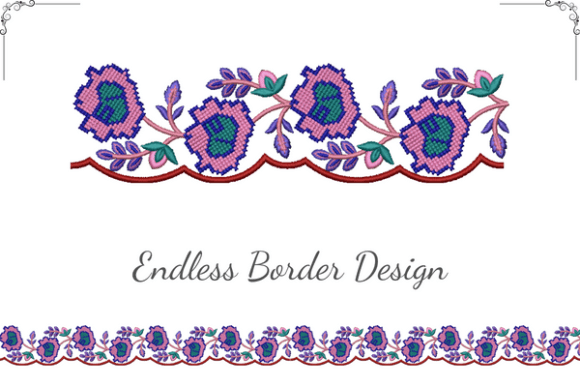
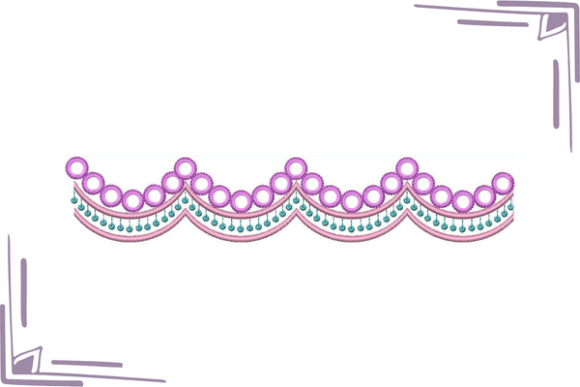
When I opened the Ornamental Border embroidery file, I felt that quiet excitement every designer recognizes—the kind that comes from knowing a design will resonate with customers before it’s even stitched. This isn’t loud or trendy; it’s sweetly elegant, with soft floral motifs that flow like a gentle vine. The line work feels intentional—not overly dense, not sparse—just right for conveying handmade care. It leans classic with a whisper of romance, making it equally at home on a baby blanket as it does on a linen wedding towel. There’s no seasonal urgency here; this is a forever-border, one that invites slow stitching and slower gifting.
Where Ornamental Border Truly Shines
I tested Ornamental Border across six real-world personalized gift applications—and each time, it elevated the item’s emotional weight:
- Baby embroidery: On a cotton muslin swaddle, the border framed a monogram beautifully—soft enough for newborn skin, detailed enough to feel special in photos.
- Wedding gift: Stitched along the hem of a hand-embroidered tea towel (with the couple’s initials centered), it added heirloom charm without competing with sentiment.
- Nursery decor: Applied to a pillow cover beside a crib, its gentle rhythm calmed the space—no sharp angles, no visual noise.
- Custom tote bag: Wrapped around the bottom edge of a canvas tote, it grounded the design while keeping the bag practical and giftable.
- Apron & kitchen towel: On tightly woven cotton, the floral curves held crispness—even after laundering tests.
- Etsy listing mockup: Paired with a printable mockup showing three fabric options (ivory linen, oatmeal terry, and blush chambray), it performed consistently well in product photography—clean lines, balanced negative space, natural focal flow.
Smart Placement Matters—Here’s Where to Proceed with Care
Like any thoughtful machine embroidery design, Ornamental Border rewards intentionality. I recommend avoiding it on:
- Stretchy baby clothes: The delicate curves can distort on knit fabrics unless stabilized heavily—and even then, wear-and-wash performance drops. Stick to stable weaves for baby embroidery.
- Thick, textured towels: While lovely on flat-weave linens, dense terry or waffle weave can swallow fine petal details. Test stitch density first—consider simplifying inner motifs if needed.
- Curved surfaces (like mug cozies or curved pillow edges): The design assumes a flat plane. On pronounced curves, slight stretching may occur—always test on scrap with identical seam allowances.
- Dark fabric without contrast testing: Some thread colors vanish on charcoal or navy. Always run light/dark fabric mockups side-by-side before finalizing thread colors.
- Products needing frequent washing: Though durable when properly stitched, high-stitch-density sections benefit from tear-away + cut-away stabilizer combos—especially for embroidered towel or blanket embroidery meant for daily use.
Why Customers Trust—and Keep Coming Back To—This Style of Border
As an embroidery designer who supplies small shop owners and Etsy sellers, I’ve watched how borders like Ornamental Border quietly boost perceived value. They signal attention to detail—not just “a logo stitched on,” but *care taken*. That translates directly to customer trust. When someone orders a personalized gift, they’re not buying thread and fabric—they’re investing in memory-making. This design supports that. Its balance of delicacy and clarity makes finished products photograph beautifully, which increases buyer engagement in listings. And because it avoids faddish elements, it stays relevant across seasons—ideal for small shop product consistency and wholesale gifting catalogs.
Practical Notes Before You Stitch Your First Order
Before committing Ornamental Border to a customer’s custom embroidery project, here’s my checklist—refined over 12 years of commercial embroidery:
- Always run a test on scrap fabric matching your intended base—same weight, weave, and pre-wash status.
- Compare thread colors across lighting: natural daylight vs. indoor bulb. What reads warm ivory in sunlight may look yellow under LED.
- Confirm hoop size compatibility—some versions of this design may require a 5x7” or larger hoop. Check your file metadata before digitizing adjustments.
- Review stitch density visually—not just numerically. Dense fills in floral centers need stronger stabilizer than open vine sections.
- Use appropriate stabilizer: medium-weight cut-away for knits, lightweight tear-away for stable wovens, and fused + cut-away for terrycloth.
- After stitching, inspect small details—especially petal tips and stem junctions—under magnification. Wash and dry one sample before full production.
- Verify commercial licensing terms. If you’re an Etsy seller or digital embroidery file reseller, ensure your license covers finished product sales—not just personal use.
A Border That Builds Meaning, One Stitch at a Time
Ornamental Border doesn’t shout. It invites. It frames. It honors the object—and the person receiving it. Whether you're designing baby embroidery for a first-time parent, curating wedding gifts for a boutique, or building a cohesive line of handmade products for craft fairs, this border adds quiet sophistication without demanding extra labor. It works because it respects both the maker’s time and the recipient’s heart. In a market flooded with fast, flashy designs, choosing something like Ornamental Border says: *this matters*. And that’s exactly what makes a personalized gift unforgettable.