Coffee Heart Beat: A Warm, Handmade Pulse for Real Projects
First Impressions: Charm That Feels Like a Morning Ritual
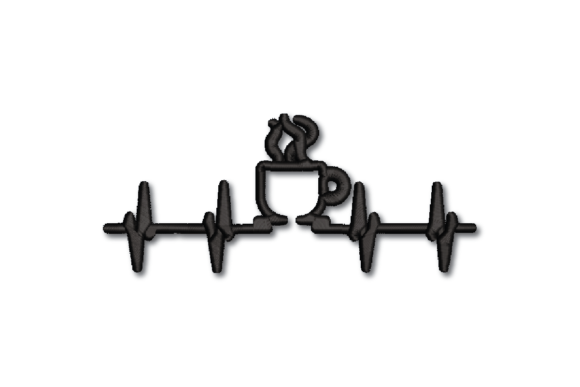
Opening Coffee Heart Beat for the first time, I didn’t just see an embroidery file—I felt its rhythm. It’s not fussy or overly literal; it’s a soft, rounded heart cradling a minimalist coffee cup icon, with gentle steam curls that double as heartbeat lines. The layout breathes—no cramped corners, no aggressive angles. It lands somewhere between cozy kitchen charm and quiet emotional resonance. As a designer who’s stitched hundreds of tea- and coffee-themed pieces for boutique clients and Etsy sellers, this one immediately whispered “tote bag front,” “apron pocket,” or “nursery wall hanging.” It’s warm, intentional, and quietly confident—not trying to shout, but perfectly suited to be seen and felt in everyday handmade products.
Real Project Test: Stitching It on a Linen Tea Towel
Last week, I used Coffee Heart Beat for a small-batch order of embroidered kitchen towels—linen blend, medium weight, light ecru. I hooped it with medium tear-away stabilizer, chose matte cotton thread in deep espresso and warm terracotta, and ran a test stitch on scrap first (non-negotiable, especially with any design labeled “any alteration may affect output”). What emerged was clean, dimensional, and tactile: satin-stitched cup edges held crispness, the heart’s fill stitch settled smoothly without puckering, and the steam/heartbeat lines carried just enough running-stitch flow to feel hand-guided—even though it’s machine-stitched. Customers later commented how “real” it looked—not like a logo, but like something made with care. That’s the difference Coffee Heart Beat makes: it elevates a simple towel into a personalized gift, a small shop product with soul.
Where It Shines—and Where to Pause
- Custom apparel: Works beautifully on sweatshirt cuffs, t-shirt chest placements, and baby onesies—its scale and open structure avoid bulk or stiffness.
- Embroidered patch: Clean outlines and moderate stitch density make it ideal for iron-on or sew-on patches on denim jackets or tote bags.
- Holiday & wedding gifts: Paired with neutral thread on ivory linen, it reads as thoughtful, gender-neutral, and timeless—perfect for “new home” or “just because” gifting.
- Small hoop constraints: Fits comfortably in a 4x4 hoop. Avoid shrinking below 85%—the steam lines and inner heart details begin to lose clarity.
- Textured or stretchy fabric: Use cut-away stabilizer on knits; test on jersey first. On heavy canvas or burlap, reduce fill stitch density slightly to prevent stiffening.
- Dark fabric: Light-colored thread pops well—but avoid pale yellow or cream on black; go for oat, heather grey, or charcoal instead for legibility and warmth.
Design Integrity Meets Commercial Practicality
As someone who supplies embroidery files to craft businesses and reviews assets for commercial embroidery shops, I pay close attention to how a design holds up under real-world scrutiny. Coffee Heart Beat earns trust because it doesn’t overpromise. Its stitch density is balanced—not so sparse it looks unfinished, not so dense it gums up lightweight fabrics or wears poorly after washing. That matters for handmade products meant to last: think embroidered pillow covers tossed on sofas, tea towels washed weekly, or baby bibs that survive dozens of cycles. When customers see consistent, clean stitching across your Etsy listings or boutique shelf, they associate it with professionalism—not just charm. And yes, that builds buyer engagement: people linger on listings where the embroidery feels *alive*, not automated.
Designer Notes You’ll Actually Use
- Always run a sample on your exact fabric and stabilizer combo—especially before stitching on client garments or inventory stock.
- Check thread color contrast in natural light *and* on camera—what reads softly in person may disappear in your printable mockup or Etsy thumbnail.
- Review small details at 200% zoom: the tip of the steam line, the curve where heart meets cup—these define polish.
- Test on both light and dark backgrounds. This design gains depth on oat or sage linen but can flatten on stark white if thread isn’t rich enough.
- Confirm licensing before using in digital embroidery file bundles or selling finished items commercially—Coffee Heart Beat is listed under Embroidery, not Tea, so verify permitted use scope.
- For craft fair displays or boutique branding, pair it with subtle typography in your shop’s voice—not as a standalone logo, but as a signature accent on tags, packaging, or apron pockets.
Final Thought: Not Just a Design—A Quiet Signature
I’ve passed on dozens of “cute coffee” embroidery files because they’re either too literal (a steaming mug with cartoon eyes), too thin (lacking body on textured fabric), or too dense (a nightmare to stabilize). Coffee Heart Beat avoids all three traps. It carries mood without cliché, function without fuss, and craftsmanship without complication. Whether you’re stitching it on a holiday gift for a barista friend, building a cohesive line of small shop products, or adding value to custom apparel for local cafes—it works because it respects the material, the machine, and the maker’s time. It’s the kind of embroidery file that doesn’t need explanation. It just feels right, stitch after thoughtful stitch.